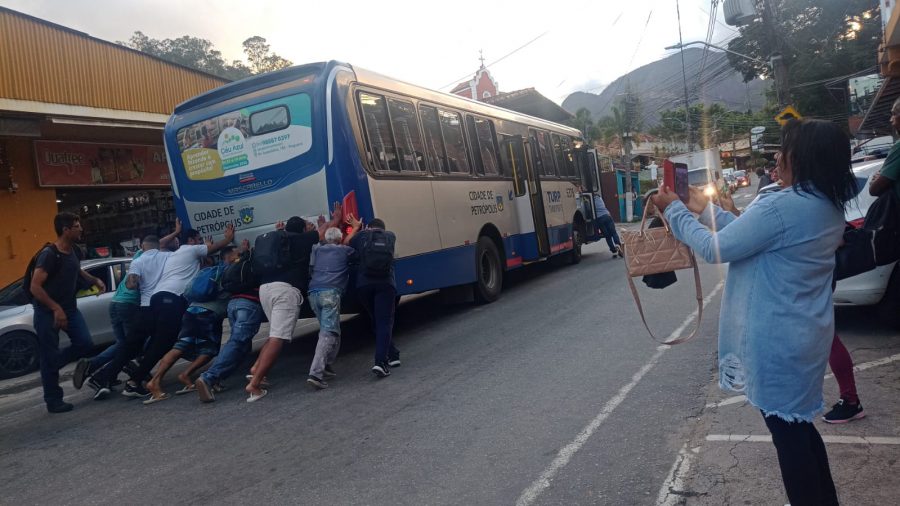
The TURP crisis reached new proportions in September 2026, when 32 buses were taken out of circulation, transit workers halted operations, and City Hall expanded its intervention over the company. The Public Prosecutor's Office also asked the courts to revoke the concession. Beyond passengers, business associations are warning of impacts on workers, commerce, industry, services, and residents in outer districts. The situation brings into question not only the company's future, but the transit system's very ability to sustain Petrópolis' economic activity.
Operational issues, the removal of 32 buses, a transit workers' strike, and full intervention by City Hall amplify the impacts on workers, commerce, services, and district residents
/i.s3.glbimg.com/v1/AUTH_59edd422c0c84a879bd37670ae4f538a/internal_photos/bs/2026/w/s/deqaJVSXeRDqB90tjlmg/bus.jpg)
The crisis involving TURP Transporte Urbano de Petrópolis has ceased to be solely an issue related to bus operations and has begun to directly hit the daily routines of thousands of residents and diverse sectors of Petrópolis' economy. In September 2026, the company went through a series of developments that exacerbated a situation already monitored by public authorities: vehicles removed from circulation, route reductions and alterations, worker strikes, expanded municipal intervention, and a public civil action by the Public Prosecutor's Office of the State of Rio de Janeiro (MPRJ) seeking the forfeiture of the concession.
The situation took on a new dimension because public transit is one of the core structures enabling the city to function day to day. Petrópolis has an estimated population of 294,954 residents in 2026, according to the Instituto Brasileiro de Geografia e Estatística (IBGE), and features a geographic layout marked by considerable distance between the Downtown core and various neighborhoods and districts.
In this context, when a significant portion of the bus system experiences problems, the fallout is not confined to passengers waiting at stops. Workers may face hurdles getting to their jobs, consumers may curb travel, businesses may struggle with punctuality, and establishments located in the outer districts may see customer foot traffic decline.
A crisis that escalated in September
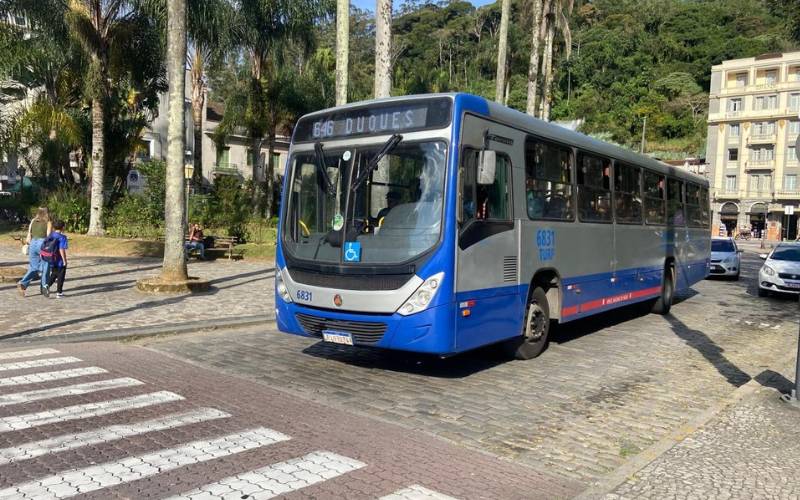
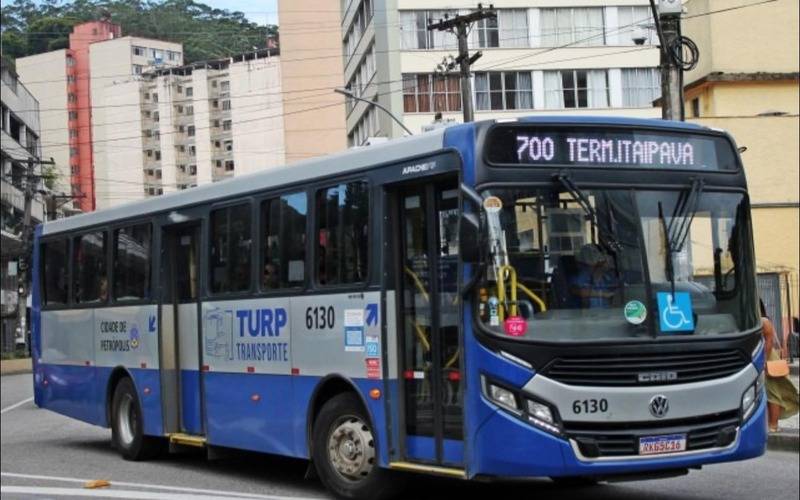
One of the most consequential episodes occurred on September 16, when the Companhia Petropolitana de Trânsito e Transportes (CPTrans) ordered 32 TURP buses removed from circulation.
The measure followed inspections carried out on September 9, 14, and 15. According to CPTrans, the company's fleet consisted of 133 vehicles. During the inspections, 25 buses failed and five were not presented for inspection. Two additional vehicles were suspended as a preventive measure due to safety-related issues.
In practice, roughly 24% of TURP's fleet was sidelined from operating. Among the issues cited were oil leaks and warnings related to the ABS brake system. The company was also required to present a contingency plan to reorganize its service.
The consequence was a restructuring of bus routes. According to information released during the process, 15 routes were temporarily suspended or absorbed, while other services had schedules and itineraries altered to fit operations to the number of available vehicles.
For those who rely daily on public transit, a change of this scale represents far more than an updated schedule. In outlying neighborhoods and districts, a suspended or reduced route can mean longer wait times, the need to make transfers, increased commuting times, or difficulties arriving at commitments.
The impact reaches the labor market
/https://i.s3.glbimg.com/v1/AUTH_59edd422c0c84a879bd37670ae4f538a/internal_photos/bs/2026/x/C/Q0F2GNQSWhtYUZvE4oAg/whatsapp-image-2026-04-25-at-15.12.04.jpeg)
Public transit fulfills an economic function that often goes unnoticed: it connects workers to their workplaces.
An employee who depends on the bus to get to a retail shop, restaurant, factory, school, hospital, or office needs the system to be predictable. Delays and cancellations can lead to late starts, the need to pursue more costly transportation alternatives, or even the inability to reach work altogether.
This consequence was highlighted by Movimento Petrópolis 2030 and by the Câmara de Dirigentes Lojistas (CDL) de Petrópolis during the September crisis. According to the organizations, transit disruptions affect both workers and consumers simultaneously.
The president of CDL Petrópolis, Cláudio Mohammad, summarized the issue by noting that commerce depends as much on consumers as it does on workers. In the group's assessment, when public transit functions inadequately, consumers may postpone a purchase and employees may encounter difficulties reaching the store.
This is especially critical for retail, which relies on in-person foot traffic. CDL also expressed concern because the crisis arrives right before major commercial milestones, such as Children's Day, Black Friday, and Christmas.
It is important to emphasize that, across consulted sources, there is no official estimate establishing a specific monetary loss in reais suffered by retail businesses attributable specifically to the TURP crisis. Therefore, it would be inaccurate to convert these concerns into a specific figure without a dedicated economic study.
“What can be stated is that business associations identified mobility challenges as a factor capable of disrupting travel for both consumers and workers.
The districts are among the most vulnerable areas

The crisis's impact also takes on distinct characteristics in Petrópolis due to the municipality's geographic spread.
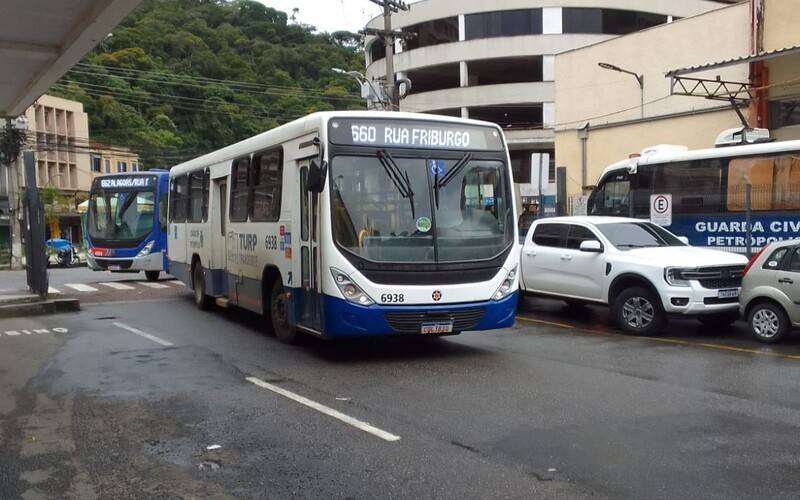
TURP serves areas such as Itaipava, Posse, Nogueira, Corrêas, Araras, Pedro do Rio, Retiro, and Quitandinha, among other communities. During the September work stoppage, residents in these areas were left directly exposed to the reduced transit supply.
The distance between some of these locations and Downtown makes replacing the bus with private alternatives significantly harder for part of the population. For vehicle owners, a public transit breakdown may be an inconvenience. For those who rely exclusively on the bus, however, the consequence can be the outright inability to make a necessary trip.
This distinction is essential to understanding the social toll of the crisis.
The issue is also not confined to commuting to and from work. Public transit provides access to schools, hospitals, commerce, public services, financial institutions, and other essential activities of daily life.
During the September stoppage, local organizations drew attention specifically to this chain reaction. Mobility disruptions can simultaneously impact workers, consumers, and public service users.
TURP's own workers are also at the center of the crisis
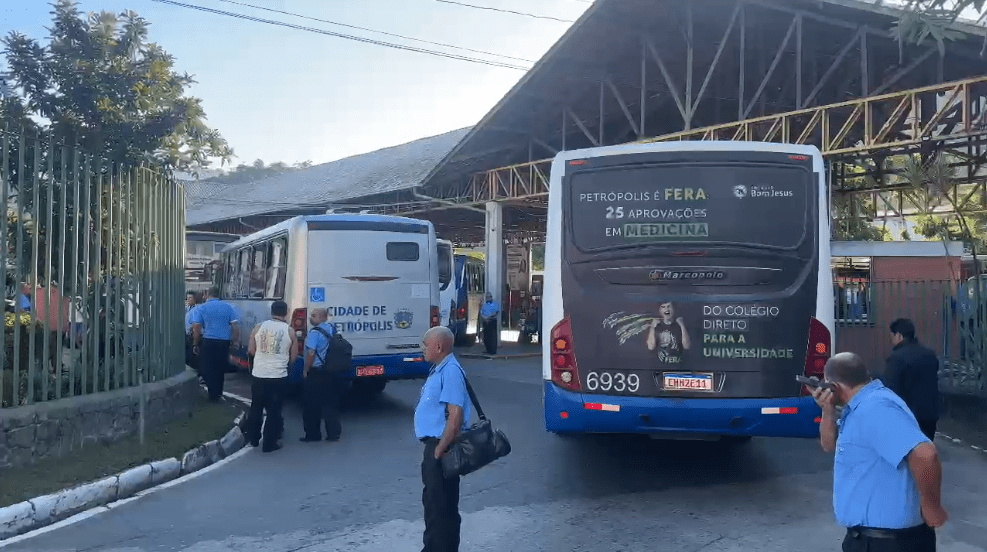
Another significant aspect is that the company's own employees were directly affected by the financial and operational strain.
On September 17, TURP transit workers launched a strike that lasted just over 24 hours. Among the demands presented were payments for vacation pay, meal vouchers, and deposits into the Guarantee Fund for Length of Service (FGTS). Service began resuming on the morning of September 18, following negotiations involving workers, CPTrans, and the municipal intervention team.
The workers' plight was already under scrutiny by the City Council. In June, the Special Commission for Monitoring and Overseeing the Intervention in TURP met with transit union representatives to discuss labor demands and the company's operating conditions.
“The labor issue carries its own distinct economic weight. Drivers, fare collectors, and other staff rely on the company to receive their wages and statutory benefits. At the same time, the city relies on these workers to keep public service moving.
Thus, the crisis triggers a compounding cycle of strain: financial woes hamper operations; operational difficulties harm passengers; work stoppages affect both workers and riders; and reduced service impacts economic activities that depend on mobility.
City Hall broadens intervention over the company

Faced with a worsening situation, the Prefeitura de Petrópolis expanded in September an intervention that had begun in May.
Initially, the intervention was partial. With the transition to a full intervention, the municipal administration assumed direct control over administrative, financial, and operational decisions outlined in the new decree.
According to City Hall, the measures include centralizing payment authorizations, auditing accounts and cash flow, assessing liabilities and labor obligations, renegotiating contracts and expenses, and restructuring maintenance and fleet operations.
The municipal administration also reported uncovering non-compliance with prior directives and noted financial and administrative discrepancies that required a deeper audit.
City Hall stressed that full intervention does not, by itself, represent the dissolution of TURP or the permanent discontinuation of service. The stated objective is to reorganize the company and ensure service continuity.
Public Prosecutor's Office seeks concession forfeiture
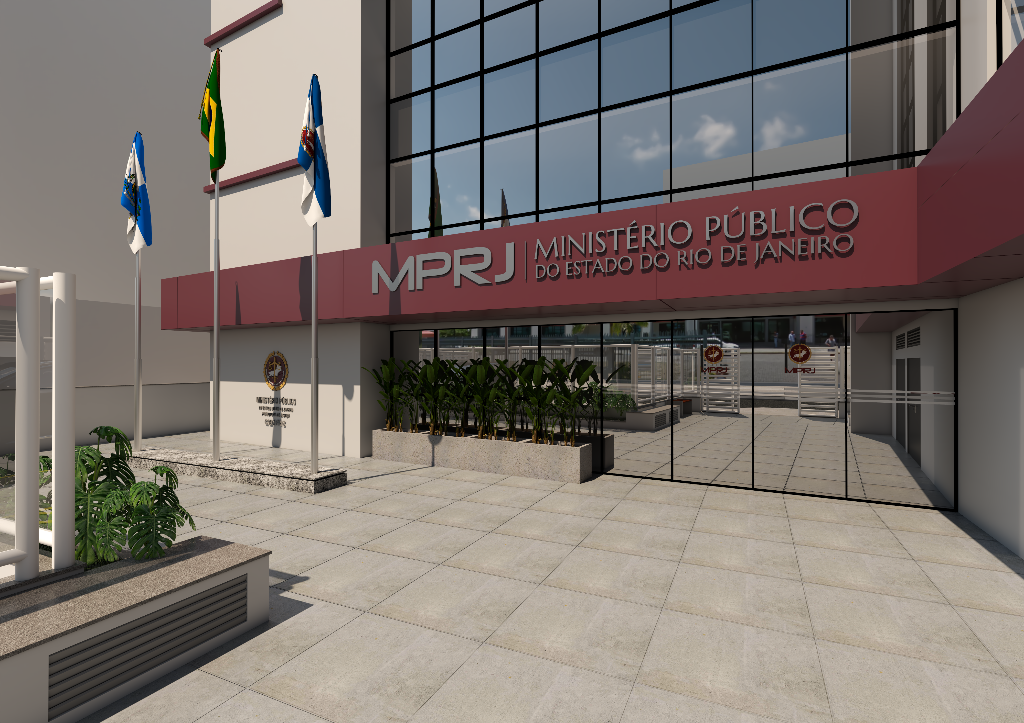
The crisis has also reached the judiciary.
On September 16, the MPRJ filed a public civil action against the Municipality of Petrópolis and TURP requesting that the courts declare the forfeiture of the company's concession.
According to the Public Prosecutor's Office, an investigation uncovered persistent deficiencies in service delivery, including missed trips, recurrent delays, mechanical breakdowns, fleet shortages, overcrowding, and an economic-financial incapacity to guarantee consistent and continuous transit service.
The MPRJ contends that these problems persisted even after the municipal intervention began in May.
In the filing, the Public Prosecutor's Office requested an injunction to remove TURP from operations and require the Municipality to assume full control of the lines within 30 days. Alternatively, it requested a public bidding process for a new concession.
It is important to underscore that this represents a legal petition submitted by prosecutors to the judiciary, rather than a final ruling on the concession. The future of operations hinges on corresponding administrative and legal proceedings.
The economic problem goes beyond the company
The debate over TURP also exposes a broader dilemma: the economic cost of an unstable public transportation system.
A bus operator does not deliver a service in a vacuum. It is part of the infrastructure connecting disparate economic stakeholders.
When transit works, employees arrive at their jobs, consumers access retail stores, students get to educational institutions, and patients reach healthcare centers.
When the system experiences interruptions, delays, or reduced capacity, these daily journeys grow significantly more challenging.
It was precisely this dimension that Movimento Petrópolis 2030 highlighted when assessing that the crisis had breached the transit sector to impact commerce, industry, and services. The organization represents enterprises that, by its own account, employ more than 100,000 workers in the city.
This does not mean that all of these individuals were directly impaired by TURP. The figure reflects the aggregate employed workforce tied to the companies represented by the coalition, rather than the count of employees directly impacted by the crisis.
This distinction is essential to avoid overstating the scope of the data.
A city reliant on mobility
Official numbers help frame the magnitude of the problem. IBGE estimates that Petrópolis has nearly 295,000 residents in 2026. The municipality covers a land area of roughly 791 km², according to the agency.
In this environment, public transit is not merely an individual transportation issue. It shapes how the entire city operates.
City Hall itself has previously acknowledged, in transit planning documents, the need for audits, route revisions, itinerary redesigns, redistribution of operating blocks, fleet renewal, and updates to fare methodology. In 2025, the municipality announced a contingency plan incorporating these guidelines and stated it was pursuing greater public oversight over strategic system data.
TURP's ongoing crisis, therefore, unfolds against a broader conversation regarding the future model of public transportation in Petrópolis.
What is at stake
The future of TURP still rests on administrative and judicial decisions. In the short term, the core priority is ensuring that residents retain uninterrupted access to transit while the company's standing is assessed.
Over the medium and long term, the debate encompasses broader structural questions: which concession model will be utilized, how to guarantee an adequate fleet, how to finance operations, how to monitor concessionaires, how to protect labor rights, and how to offer predictability to passengers.
For the public, the clearest impact manifests in day-to-day routines: waiting for the bus, getting to work, taking children to school, accessing medical care, or shopping.
For the local economy, the effect emerges in the capacity of people and businesses to move freely.
And for public officials, the crisis poses an ongoing governance challenge: ensuring an essential service without turning a string of emergency measures into a permanent makeshift solution.
“The TURP case demonstrates that public transportation is not merely about buses running along city streets. It serves as foundational infrastructure connecting people, labor, commerce, and services. When that connection breaks down, the repercussions can reverberate across the economic and social fabric of Petrópolis.
The situation continues to develop. City Hall's full intervention remains active, operational and labor issues continue to be monitored, and the Public Prosecutor's Office's request to remove the operator and declare the concession forfeited remains under judicial review.
As final determinations regarding the concession's future remain pending, the central issue endures: how to establish a transit system capable of delivering safety, regularity, and predictability for a city that relies every single day on mobility to function.
Sources
- Ministério Público do Estado do Rio de Janeiro (MPRJ) — public civil action requesting the forfeiture of the TURP concession. MPRJ — Caducidade da concessão da TURP
- IBGE — official population and territorial data for Petrópolis. IBGE — Petrópolis (RJ)
- CPTrans / Prefeitura de Petrópolis — institutional updates regarding public transit and compliance inspections. CPTrans — Transporte coletivo
- Câmara Municipal de Petrópolis — oversight of the intervention, fleet status, and labor rights. Câmara Municipal — Comissão da TURP
- CDL Petrópolis / Movimento Petrópolis 2030 — reported impacts on retail, labor, and the economy. CDL Petrópolis — Crise do transporte
- Tribuna de Petrópolis — impacts reported by business associations and details on the work stoppage. Tribuna de Petrópolis — Impactos da crise da TURP
- O Dia — inspection and removal of 32 TURP buses. O Dia — 32 ônibus retirados de circulação
- Diário de Petrópolis — impacts of the crisis on local economic activity. Diário de Petrópolis — Crise no transporte e economia

Read also
The Price of Uncertainty: How Politics and the Economy Affect Decisions by Individuals and Companies
By Thiago LealThe Danger Beside You: Why Brazil Still Relies So Heavily on Roads to Transport Fuel
By Thiago LealFrom Caution to a Vote: What Changed in Davi Alcolumbre’s Stance on the 6x1 Work Schedule?
By Thiago Leal0 comments
The author of the message, not Festina, is responsible for the comment. Read the Comment Guidelines.