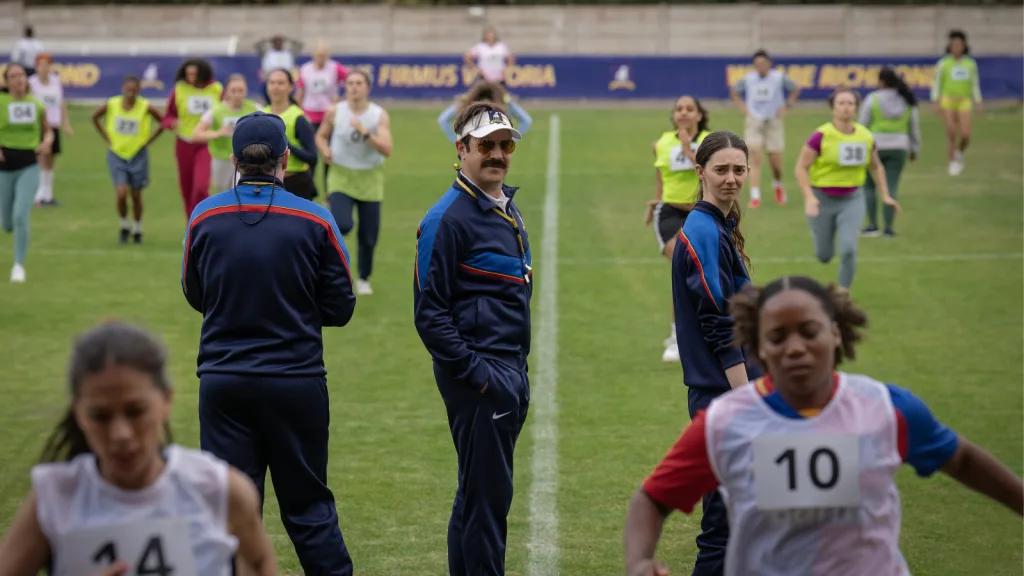
If even AFC Richmond has figured out that the future of football means fully embracing the women's game, perhaps it's time everyone else did too.
The fourth season of Ted Lasso, the acclaimed Apple TV series, introduces a significant shift by placing women's football at the heart of the story. After following the challenges of the coach played by Jason Sudeikis in English football, the plot now explores the building of AFC Richmond's women's team—from the struggles of structuring a sports project from scratch to putting together a squad capable of competing at the highest level.
At first glance, the shift might seem like merely a new creative direction for a show that won over audiences with humor, leadership lessons, and reflections on human relationships. But the choice takes on a whole new dimension when viewed in the current context of the sport: at a time of widespread expansion for women's football, placing the women's game at the center of the narrative broadens a conversation that extends far beyond the pitch, touching on representation, professional opportunities, market potential, and cultural transformation.
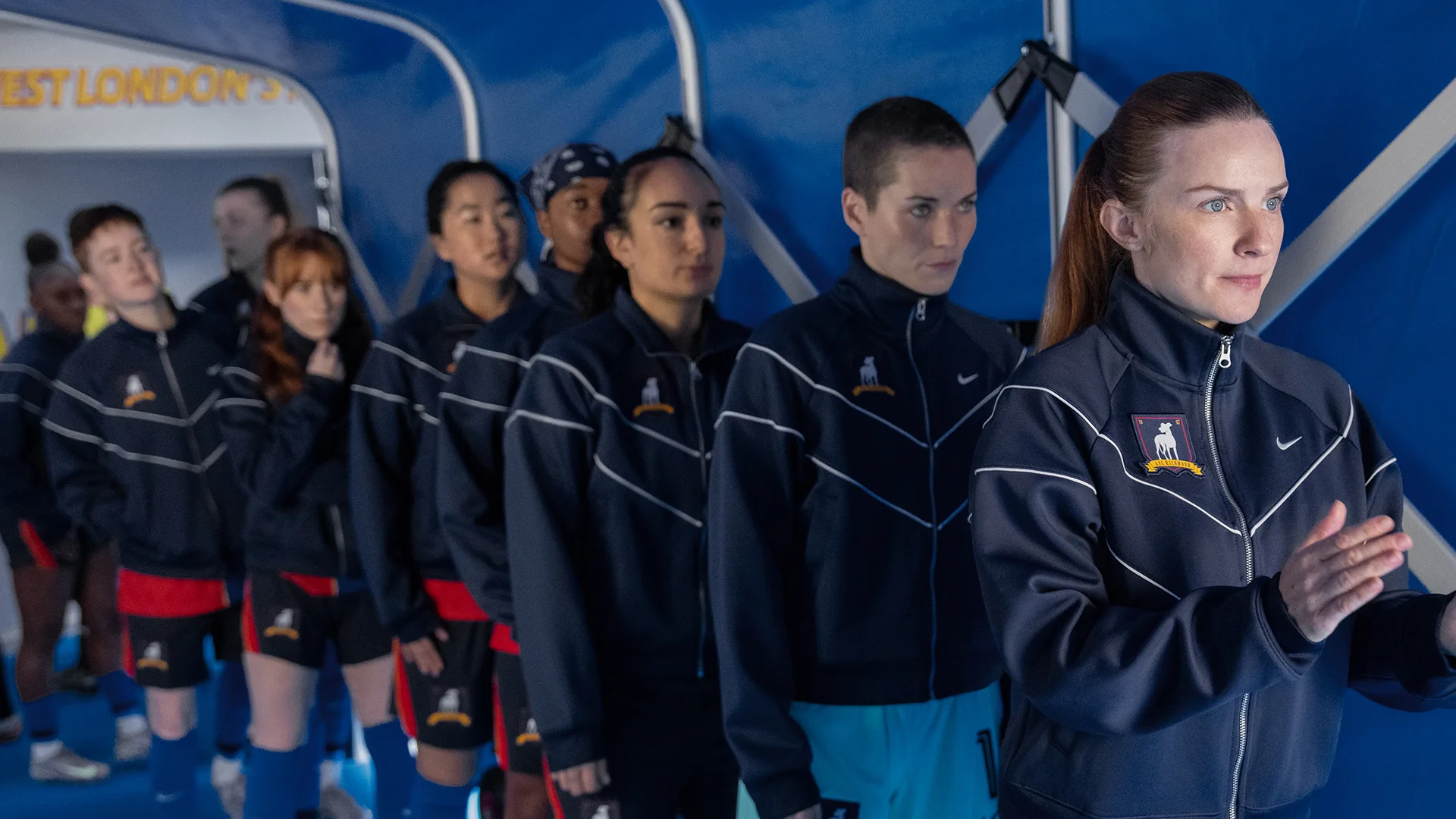
The timing is especially relevant for Brazil: in 2027, the country will host the FIFA Women's World Cup from June 24 to July 25, marking the tournament's first edition held in South America. The competition will bring together 32 national teams across eight Brazilian cities, with the opening match and the final taking place at the Maracanã in Rio de Janeiro.
The event is not only an opportunity to watch some of the world's best players on Brazilian soil, but also a chance to connect millions of people with a sport that still faces historical hurdles of visibility and prejudice in the country.
When Women's Football Steps Out of the Background
For decades, and still today, women's football has had to fight for space in an environment built predominantly for men. Disparities in investment, limited media coverage, a lack of infrastructure, and prejudice regarding women's ability to play the sport have all helped perpetuate a reality where public interest is still often treated as an unknown variable rather than an opportunity waiting to be developed.
That logic has begun to crumble as clubs, competitions, sponsors, and media outlets have come to recognize the potential of the women's game. The growth of women's football is not merely about national team performances in major tournaments; it also stems from the professionalization of club squads, expanded broadcasting, the athletes' presence on social media, and the development of new commercial partnerships around the sport.
In this landscape, Ted Lasso offers an intriguing contribution precisely by presenting women's football as a natural part of its narrative world. The characters are not there merely to illustrate a debate on equality. They must build supportive relationships, earn their place, overcome countless obstacles, and forge a collective identity—challenges inherent to any sports team.

The series also creates room for reflection on leadership: building a team is not just about signing good players and deciding on a tactical system. It requires providing decent working conditions, setting clear goals, nurturing talent, and cultivating an environment where diverse individuals can contribute toward a common purpose.
This dynamic pushes the show's storyline beyond simple entertainment. Women's football does not need to be treated as an alternative version of the men's game, but as a distinct sport in its own right, with its own protagonists, needs, dynamics, and growth potential.
When a production with global reach chooses to tell this story, it also helps shift how the public views female athletes. Representation alone does not solve the sport's structural problems, but it helps normalize what was long portrayed as an exception.
FIFA Women's World Cup 2027: An Opportunity for Brazil
Hosting the Women's World Cup in Brazil presents the country with an opportunity that goes far beyond organizing a major sporting event. For the first time, the premier global tournament for women's national teams will be played in South America, placing on the country the responsibility of welcoming athletes, fans, and professionals from every corner of the globe.
Even so, for a nation with a storied history in the sport that has produced players who helped broaden the horizons of women's football—such as Marta, Formiga, and Cristiane—the national passion for the game has not always translated into equal developmental conditions for women and men.
That is why the World Cup can help connect that heritage with a new generation of fans. Staging matches across eight cities, in stadiums well-known to the Brazilian public, provides a chance to turn interest in the tournament into a shared collective experience. Children will be able to watch their role models up close; families will have the opportunity to discover new teams; and athletes will find inspiration in stories that rarely receive the same spotlight as men's football.
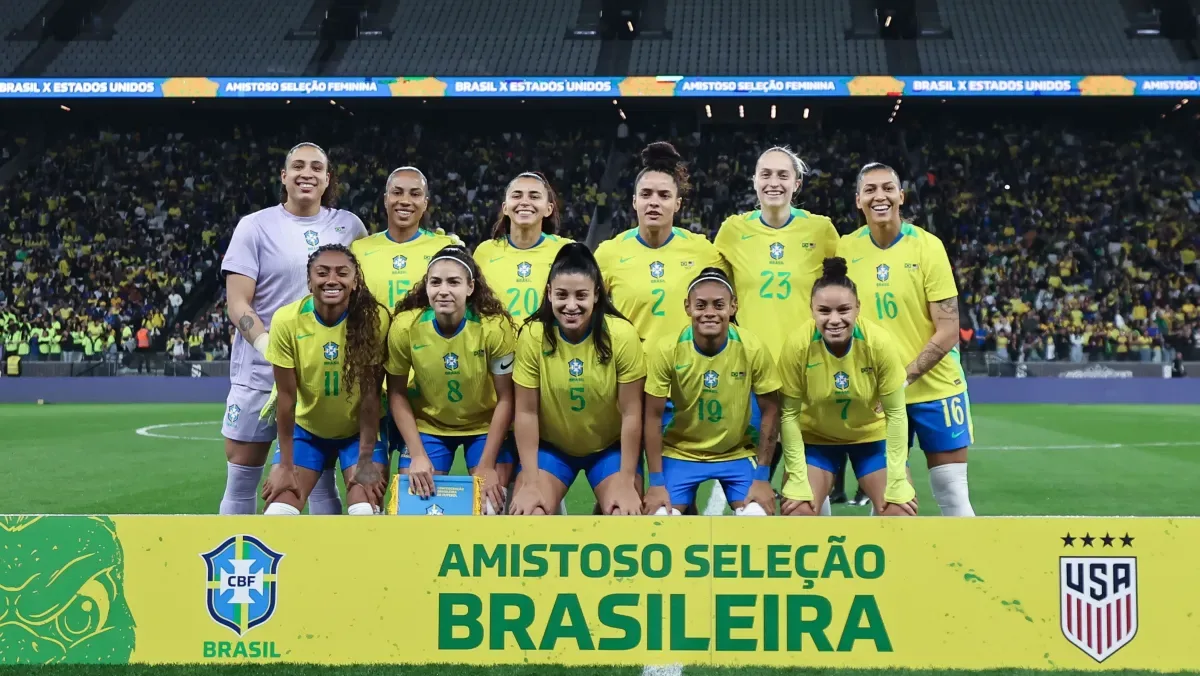
However, there is a crucial difference between hosting a World Cup and truly capitalizing on everything it has to offer. The tournament's real success should not be measured solely by packed stadiums, broadcast ratings, or commercial revenues. These metrics are important, but they do not tell the whole story. The competition's legacy will also depend on its ability to expand access to the sport, strengthen domestic leagues, improve working conditions for players, and encourage greater female representation across these professional environments.
This requires, naturally, planning and continuity. Moving forward, clubs must invest in infrastructure and development, the CBF needs to work on solidifying calendars and competitions, and sponsors must understand that women's football cannot be showered with attention only once every four years when a major international tournament approaches.
Media outlets also play a pivotal role in this process. Regular coverage of leagues and showcasing players' stories are essential to building a lasting connection with the audience. After all, it is impossible to foster a sports culture around a game that consistently vanishes from the headlines once the calendar's flagship tournament wraps up.
Representation Is Also a Business Imperative
The expansion of women's football carries implications that reach deep into the business world. For brands, sponsors, and entertainment platforms, the sport represents an opportunity to connect with new audiences and take part in an ongoing cultural transformation.
That growth, however, must be matched by a broader understanding of the sport's intrinsic value. Investing in women's football should not merely be a strategy to ride the wave of World Cup buzz. It is also a decision about which stories deserve to be told, which professionals receive opportunities, and which spaces society is willing to share.
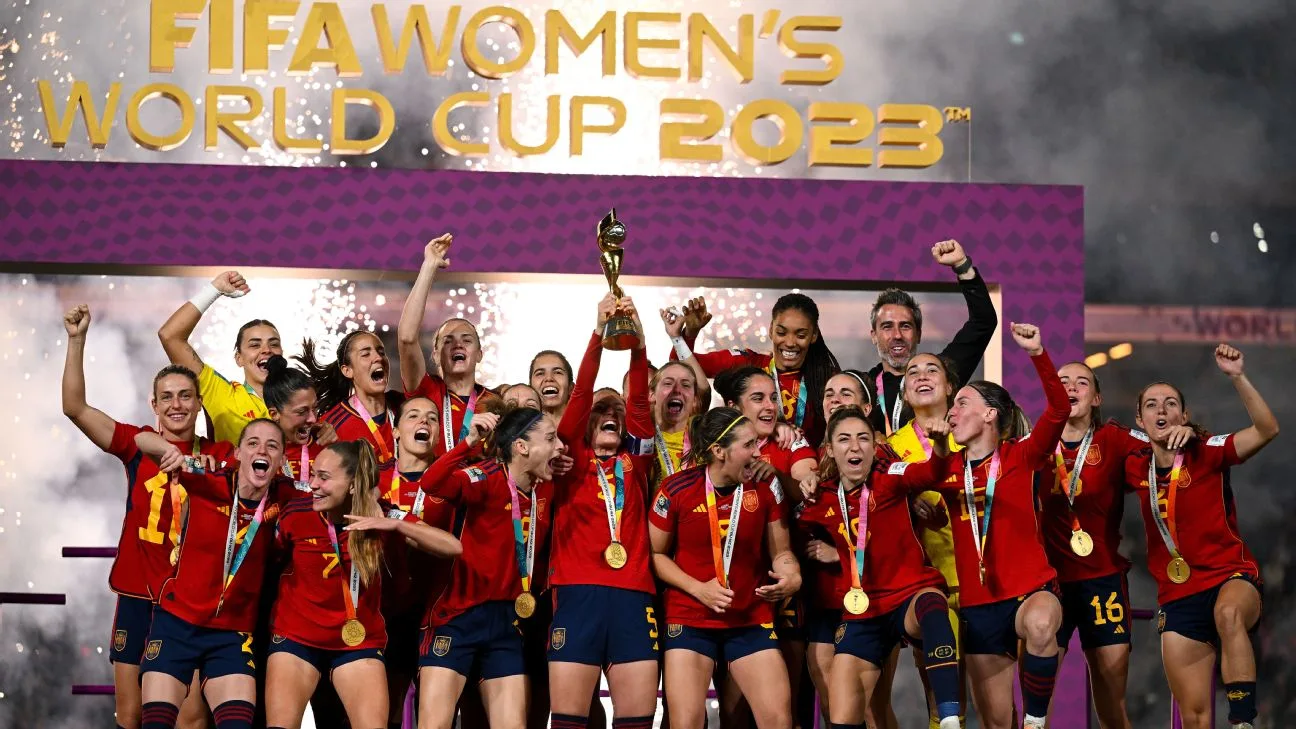
When a brand sponsors a women's team, when a broadcaster expands tournament coverage, or when an entertainment platform centers women in a sports narrative, those choices help shape the collective perception of the game. The impact can extend far beyond immediate exposure, helping engage new audiences and establish role models for those still discovering the sport.
Season four of Ted Lasso fits squarely into this conversation by bridging entertainment and women's football within a show that already boasts an established fanbase. The series does not need to turn every episode into a manifesto to be part of this movement. By giving its characters room and allowing their stories to unfold, it helps normalize women's presence in football as a standard feature of everyday sports culture.
Of course, this does not mean overlooking challenges or assuming that fictional representation alone can transform reality, as visibility must be backed by concrete opportunities—such as fair compensation, infrastructure, security, and the conditions needed for athletes to build sustainable careers.
It is precisely at the intersection of perception and reality where one of the most critical questions for the sport's future lies. Commercial interest can help fund the game's development, but its potential will only be fully realized if tied to long-term commitments.
Social Impact Extends Beyond the Pitch
The significance of women's football also lies in what the sport represents to those watching from the outside. For a long time, young girls grew up hearing that football was not meant for them. Consequently, many still struggle to play, train, or simply express interest in the sport without facing prejudiced remarks.
Expanding women's presence in football helps directly dismantle those barriers. When young girls see female athletes filling major stadiums, giving interviews, lifting trophies, and starring in major campaigns, they gain new reference points to envision their own potential. Sports can become a gateway to social connection, autonomy, citizenship, and the development of virtues that extend far beyond the pitch.
This impact also helps reshape how boys and men perceive women's participation in society. Exposure to athletes, teams, and stories that challenge stereotypes helps broaden perspectives and question biases that are still taken for granted. It is not about burdening football with the duty of solving historical inequalities, but rather acknowledging that sports culture plays an active role in how we learn to coexist and see one another.
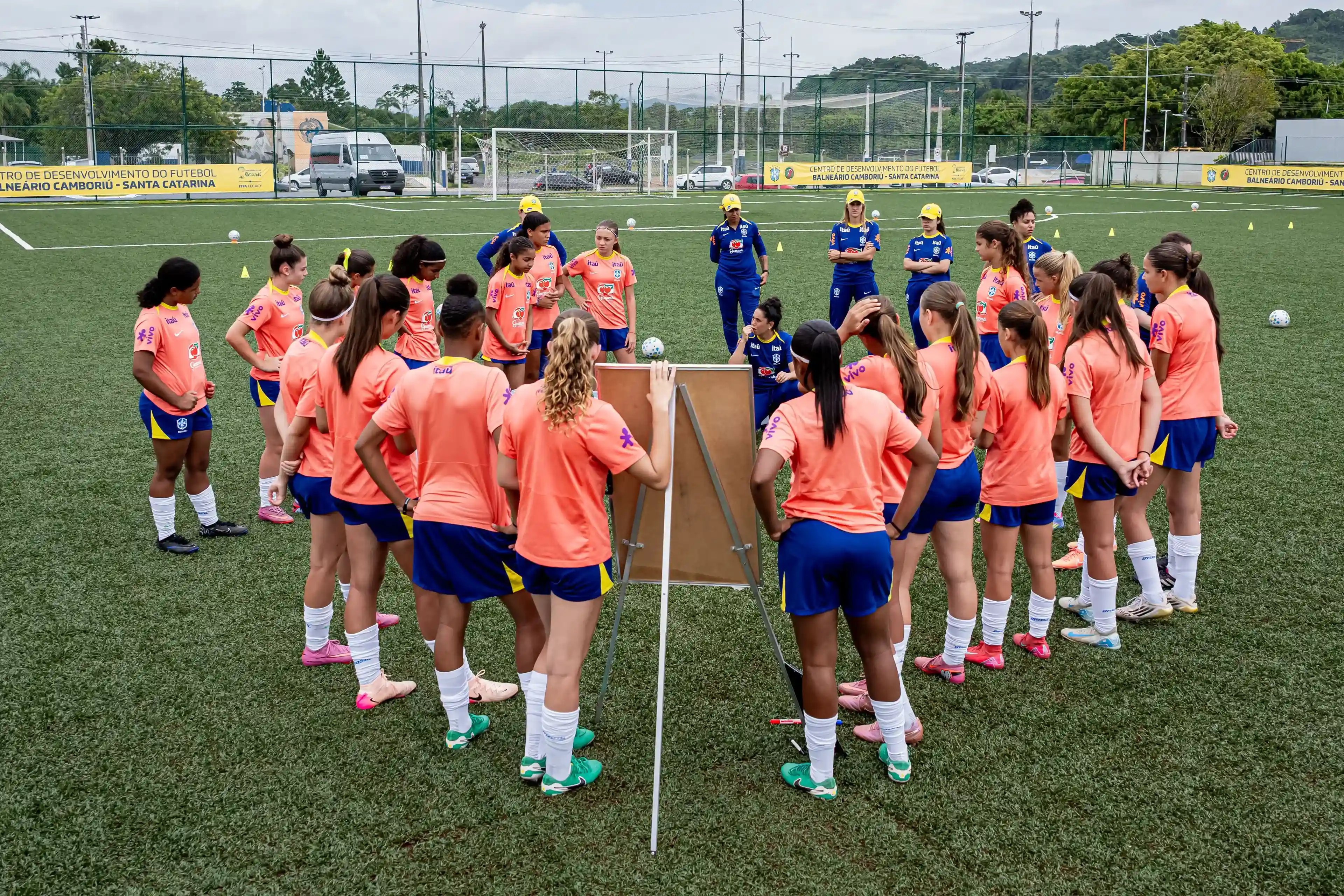
As such, the 2027 World Cup represents a unique opportunity for nationwide mobilization, where schools, social projects, clubs, corporations, and institutions will have room to develop initiatives linking the tournament to education, inclusion, and gender equity. The challenge will be ensuring these initiatives do not end with the final whistle on July 25, 2027.
This is where the conversation transcends sports: a girl who finds space to play football also finds the opportunity to challenge the expectations placed on her behavior, her place in society, and her future. An athlete who earns well-deserved recognition enriches a society's cultural fabric; and an athletic discipline that receives proper investment helps make the sports ecosystem more accessible to those who have historically had fewer opportunities.
Women's Football No Longer Needs to Ask for Permission
Perhaps one of women's football's greatest achievements is no longer having to constantly justify its existence. The debate should no longer be limited to asking whether there is an audience, whether women can compete at a high level, or whether investing in the sport is worthwhile. Those questions must give way to more mature discussions on how to expand opportunities, upgrade infrastructure, and foster sustainable growth.
That obviously does not mean inequality has been overcome. Biases, funding disparities, and professional roadblocks remain part of the daily reality for athletes and tournaments. Progress is real, of course, but it does not occur evenly, nor is it guaranteed indefinitely. The attention gained must be translated into progressive policies, fundraising, and lasting commitments that outlive moments of peak exposure.
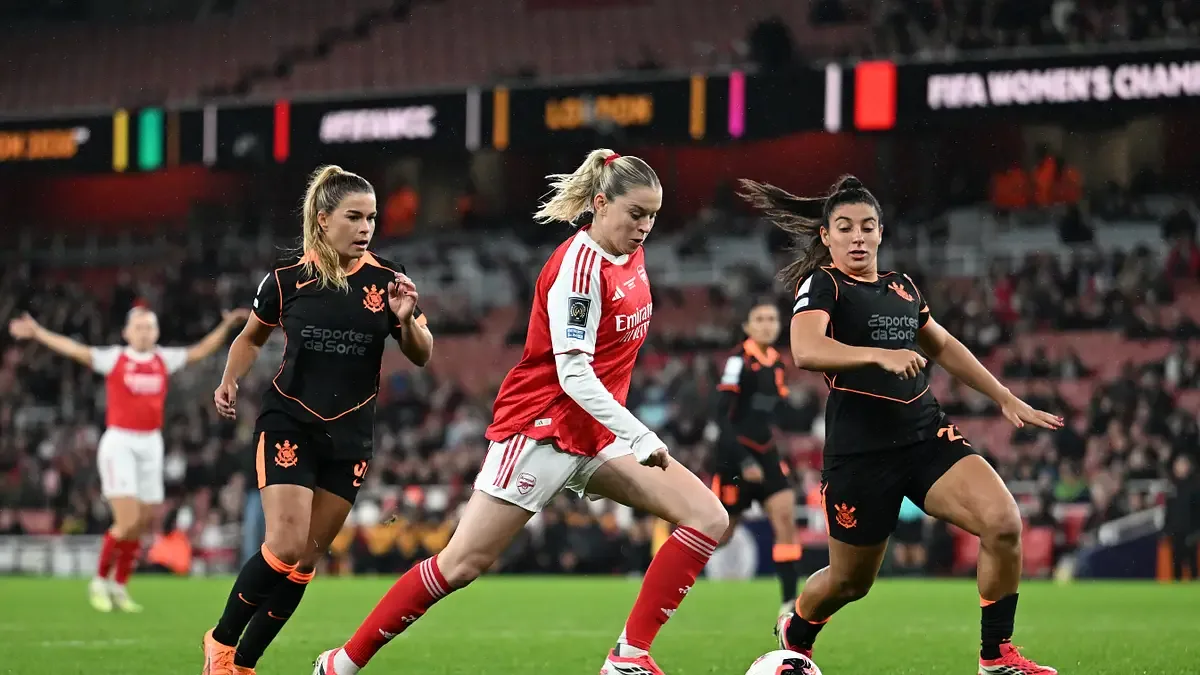
Season four of Ted Lasso helps bring this shift in perspective into focus by placing women's football at the heart of a globally recognized story. Meanwhile, the 2027 World Cup offers Brazil the chance to bring this dialogue to the streets, stadiums, schools, boardrooms, and living rooms of millions of people.
Both developments converge on a simple yet crucial idea: women's presence in football should not depend on a special occasion to be recognized. It must be woven into the daily rhythm of sports, media coverage, investments, and the collective imagination.
The 2027 World Cup can accelerate the growth of women's football in Brazil and globally, claim new territory, and broaden its possibilities on and off the pitch—provided the country is committed to building a legacy that outlasts the spectacle. The question now is whether clubs, businesses, the media, and society will be prepared to keep pace with this transformation and, above all, actively contribute to it.

Read also
Dois líderes, um impasse: o que a crise entre Jesus e Ronaldo ensina sobre liderança
By Gustavo MonkenDez tendências que devem transformar o turismo na próxima década, segundo a PhocusWire
By Raul SalustianoFrom Caution to a Vote: What Changed in Davi Alcolumbre’s Stance on the 6x1 Work Schedule?
By Thiago Leal0 comments
The author of the message, not Festina, is responsible for the comment. Read the Comment Guidelines.